Central California Orchid Society
As July settles over California’s Central Valley, our orchids enter one of the most demanding—and rewarding—times of the growing season. Long days, bright sunshine, and rising temperatures encourage active growth, but they also challenge us to become more attentive growers.
By now, much of the excitement of spring has passed. Repotting is behind us, new growth is well underway, and our role shifts once again. July is less about making major changes and more about observing carefully and responding thoughtfully.
Healthy orchid collections are rarely the result of dramatic interventions. More often, they are built through small, intentional actions taken before small concerns become large problems.
☀️ Summer Heat: Small Adjustments Make a Big Difference
Summer heat alone is not necessarily harmful. Many orchids thrive in warm conditions when they have good air movement, appropriate watering, and protection from intense afternoon sun.
Problems often develop when several stresses occur at once:
- High temperatures combined with direct afternoon sunlight
- Potting media drying more quickly than expected
- Stagnant air around plants
- Heat-stressed orchids becoming more vulnerable to pests and disease
Sometimes the smallest adjustment can make the biggest difference.
Recently, I left a beautiful new orchid in direct afternoon sun longer than I intended. By the time I noticed, several leaves had developed sunburn. It was disappointing, especially because it happened so quickly.
If something similar has happened to you, you’re in good company. Even experienced growers occasionally underestimate the intensity of a Central Valley summer afternoon. The important lesson isn’t to avoid every mistake—it’s to notice early, make adjustments, and continue learning. Damaged leaves won’t recover, but the orchid itself often will when given the proper care.
Observation is one of the greatest skills an orchid grower can develop.
🌤️ Shading for Summer Success
The sunlight that encouraged growth in May and June can become too intense by July.
As the angle of the sun changes and temperatures climb, orchids may benefit from additional shade during the hottest part of the day. A shade cloth, sheer curtain, or simply moving a plant a few feet can prevent unnecessary stress.
Watch your orchids for signs they are asking for help:
- Yellowing or bleached leaves
- Dry, scorched patches
- Leaves that feel unusually warm during the afternoon
Making gradual adjustments is always preferable to sudden changes. Just as our eyes need time to adjust to bright sunlight, orchids benefit from a gentle transition.
🐛 Summer Visitors: Pests and Diseases
Warm weather doesn’t just encourage plant growth—it also creates favorable conditions for insects and disease.
Common summer pests include:
- Spider mites
- Mealybugs
- Scale insects
- Aphids on tender new growth
Early signs are often subtle:
- Tiny speckling or stippling on leaves
- Cotton-like white masses
- Small brown bumps along leaves or stems
- Sticky residue (honeydew)
- Distorted or damaged new growth
Rather than reaching immediately for a treatment, begin by observing carefully. Correct identification allows for the most effective and least disruptive solution.
Healthy orchids are naturally more resilient, and early detection often means a simple correction rather than a major intervention.
🌱 Prevention Begins Before Problems
One of the most effective ways to protect an orchid collection is by preventing problems before they spread.
Whenever you bring home a new orchid, consider giving it a brief period of quarantine before placing it alongside the rest of your collection.
During that time:
- Inspect the undersides of leaves
- Examine new growth and flower spikes
- Check roots and potting media
- Watch for insects or unusual spotting
Quarantine isn’t about mistrusting a new plant—it’s an act of care for both the newcomer and the orchids already growing in your collection.
A few weeks of observation can prevent months of frustration.
🌿 Gentle Responses Are Often the Strongest
When we discover a problem, our first instinct is often to fix it immediately and completely.
Experienced growers learn that thoughtful, measured responses are usually more effective than sweeping changes.
Improving airflow, removing a damaged leaf, isolating an affected plant, or treating a small infestation early can often resolve an issue before stronger measures become necessary.
Strength in orchid growing is rarely about doing more.
It is about doing the right thing at the right time.
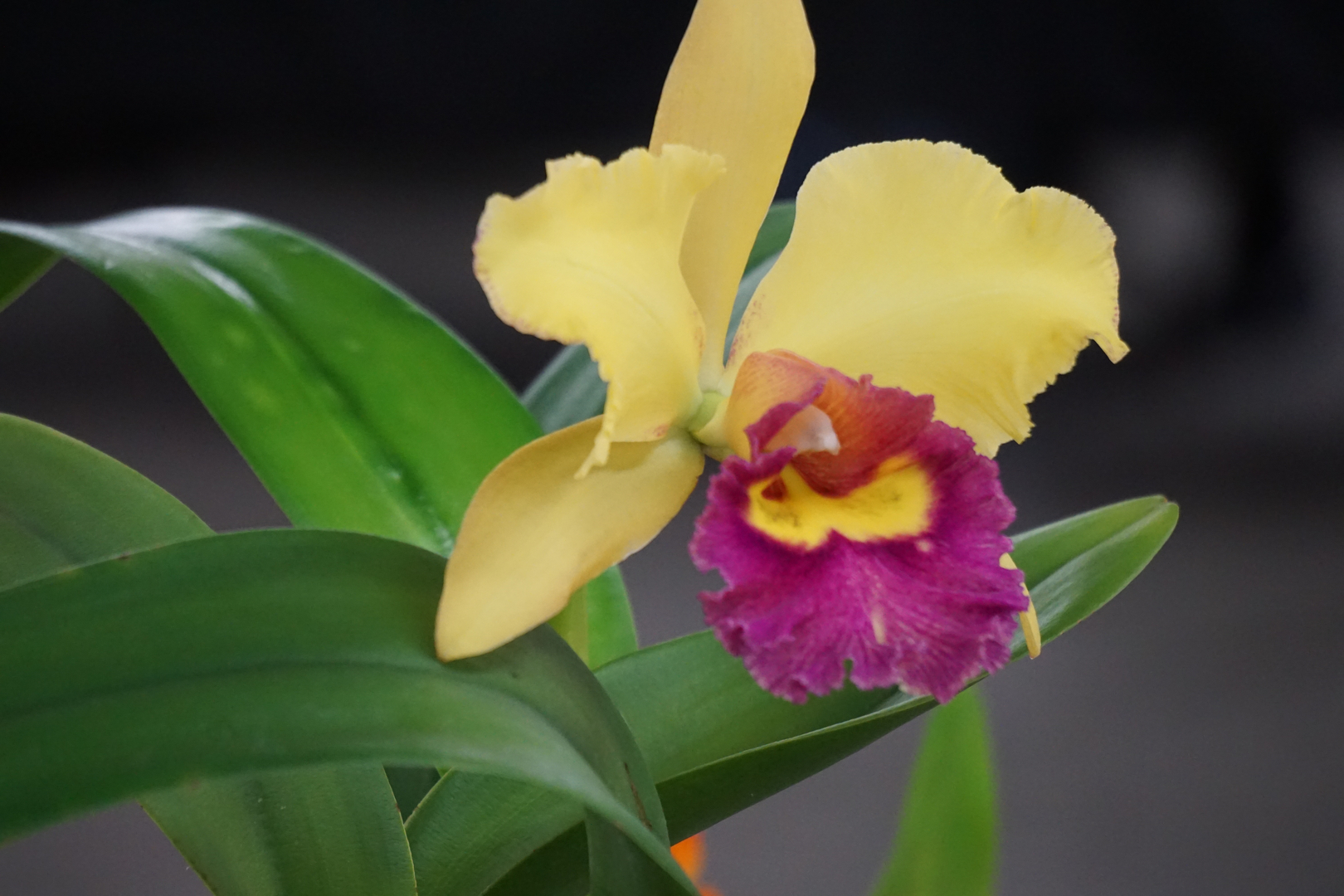
🌸 Orchid Spotlight: Cattleya – The Queen of Orchids
Among the most beloved orchids in the world, Cattleyas are famous for their large, fragrant flowers and vibrant colors. Often called the “Queen of Orchids,” they have captivated growers for generations.
Before long-lasting cut flowers became widely available, Cattleya blossoms were the flower of choice for elegant corsages worn to dances, weddings, and other special occasions.
Growing up, I remember hearing a story from my fifth-grade teacher, Mr. Lockhart. He had gone to the florist to buy a corsage for a date and noticed that orchid corsages were on sale. Thinking they were simply the most beautiful choice—and quite a bargain—he bought one without a second thought.
When he presented it to his date, however, she became noticeably uncomfortable. At the time, an orchid corsage often carried a message: it suggested a serious relationship and intentions for the future. He quickly had to explain that he hadn’t chosen it to make a statement—he had simply fallen in love with the beauty of the flower and the price.
Whether every florist shared that tradition or not, the story stayed with me. It reminds us that orchids have long been associated with elegance, admiration, and special occasions. A single bloom could communicate something words sometimes could not.
Today, we still treasure Cattleyas for their spectacular flowers, but we also appreciate the months of quiet growth that make those blooms possible. During July, many Cattleyas are busy producing strong pseudobulbs, storing energy for the flowering seasons still to come.
Perhaps that’s another reason they’ve remained so admired through the years. Their beauty isn’t hurried—it is earned through patience, careful cultivation, and time.
🌿 Orchid Reflections: Lessons from the Greenhouse
Summer has a way of revealing what is essential.
We sometimes imagine strength as bold action—solving problems with sweeping changes or dramatic interventions. Yet orchids teach another way.
A healthy collection is usually the result of many small acts of attention.
Looking beneath a leaf before pests spread.
Providing a little extra shade before leaves begin to burn.
Giving a new orchid time apart before introducing it to the collection.
Improving airflow before disease has an opportunity to take hold.
These actions are easy to overlook because they are small. Yet together they create resilience.
Strength begins with attention.
When we learn to observe carefully, respond thoughtfully, and make small adjustments before problems grow, we become better growers—not because we avoid every mistake, but because we continue learning from every season.
Perhaps that is one of the quiet gifts orchids offer us. They remind us that resilience is not built through dramatic moments, but through countless thoughtful decisions made one day at a time.
🌱 This Month in the Greenhouse
Take a few minutes this week to:
✓ Look beneath the leaves of every orchid for early signs of pests
✓ Check that plants receiving afternoon sun have adequate shade
✓ Observe which pots are drying more quickly as temperatures rise
✓ Inspect any new orchids before introducing them to your collection
✓ Spend a few quiet moments simply enjoying your plants
The first step toward healthy orchids is learning to notice them.
💡 Tip of the Month
Summer problems are easiest to solve when they’re still small. A few minutes of observation each week can prevent many of the challenges that come with heat, pests, and disease.